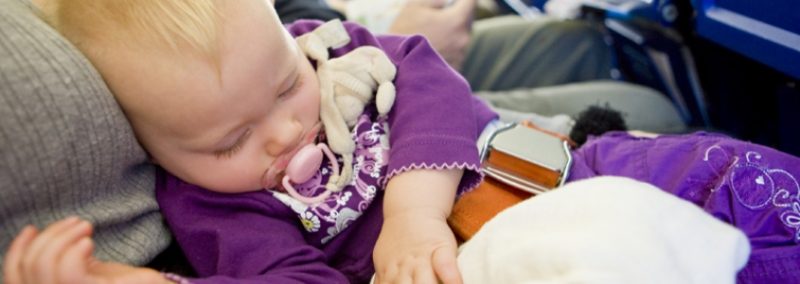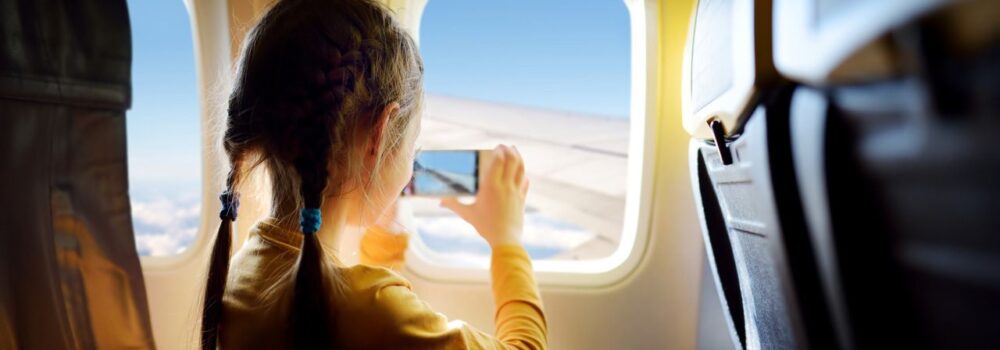
Flying with children can be a magical and exciting experience for a little traveler — or a serious challenge. A few simple preparations can make the journey much easier and help both children and parents enjoy a more comfortable flight.
Tips for a successful flight with children
1. Bring food your child is familiar with. When traveling with a young child, it is useful to bring familiar snacks or meals that you know they will eat. Keep airport security restrictions on liquids and other items in mind, as the rules may vary depending on the airport and destination. Drinks are usually available on board, while baby food and other essential items may be subject to special allowances.
2. Bring your child’s favorite entertainment. Many airlines provide in-flight entertainment with movies and games. However, familiar cartoons, films, games, or other favorite content downloaded to a tablet or laptop can often keep a child entertained more effectively during a long flight.
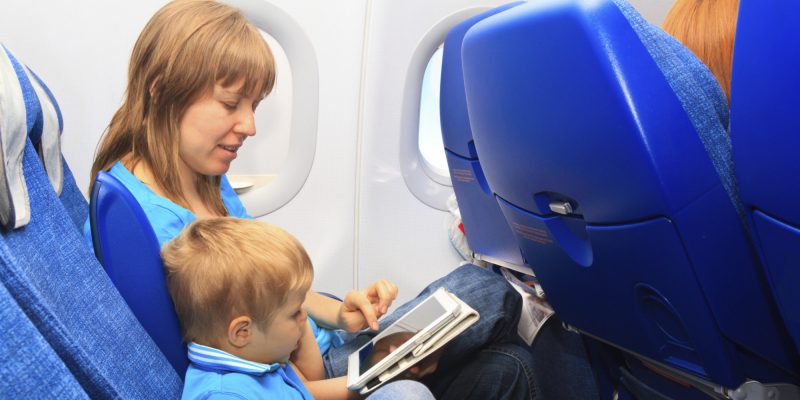
3. Choose suitable seats when checking in. If your child enjoys looking out of the window, consider choosing a window seat with a good view. For an active child, an aisle seat may make it easier to get up when necessary. Many airlines allow passengers to select or reserve seats online before departure, although additional fees may apply.
4. Don’t hesitate to ask the cabin crew for help. Cabin crew may be able to assist with warming baby food or bottles and provide additional items such as blankets or pillows, depending on the airline and aircraft.
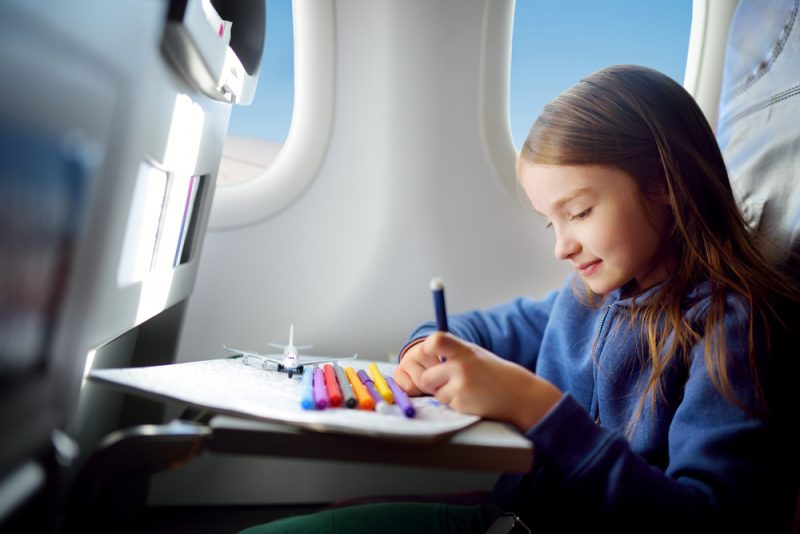
5. Bring pencils, coloring books, and small toys. Some airlines provide entertainment kits for children, particularly on longer flights, but it is better not to rely on them. A few familiar toys, coloring books, pencils, or travel games can help keep children occupied during the journey.
6. Order a children’s meal in advance. If the airline offers special children’s meals, it is usually best to request one when booking the ticket or before departure. Special meals may be served before the regular meal service, depending on the airline.
7. Check the rules for onboard bassinets. Many airlines provide bassinets for infants on selected aircraft and routes. Weight, height, and age restrictions vary by airline, so check the requirements before booking and reserve a bassinet in advance whenever possible.
8. Check the airline’s stroller policy. Many airlines allow passengers traveling with young children to use a stroller until they reach the boarding gate or aircraft door. The stroller is then usually placed in the hold and returned after landing. Procedures vary by airline and airport, so check the rules before departure.
9. Make sure you have all the necessary travel documents. Requirements for children traveling internationally depend on their citizenship, destination, accompanying adults, and current border regulations. In some cases, additional documents or parental consent may be required. Always check the official requirements for your particular journey before departure.
10. If your child is flying alone, check whether the airline offers an unaccompanied minor service. Many airlines provide special assistance for children traveling without a parent or guardian. Airline staff can help the child through airport procedures, supervise them during the flight, and hand them over to an authorized adult at the destination. Minimum ages, fees, and conditions vary considerably between airlines.
Some airlines have special fare rules for children traveling alone. Always check the carrier’s conditions before purchasing the ticket.
Airline tickets for children: what you need to know
Airlines generally divide young passengers into age categories, most commonly infants and children. Exact age limits, fares, baggage allowances, and seating rules depend on the airline.
Infants under 2 years old. Infants can often travel without a separate seat when accompanied by an adult, although a special infant fare, taxes, or other charges may apply. Parents can usually purchase a separate seat if they prefer, subject to the airline’s rules and approved child restraint requirements.
If a child turns two during the trip, fare and seating rules may change for the return journey. Policies differ between airlines, so this should be checked before purchasing round-trip tickets.
Children aged 2 and over. Children normally require their own seat. Discounts may be available with some airlines and fare types, while others charge the same fare as for an adult. Baggage allowances also depend on the airline and ticket conditions.
Teenagers under 18. Older children and teenagers generally travel on regular passenger fares, but additional documentation requirements may apply when traveling internationally without both parents or when traveling alone. Always check the entry, exit, and airline requirements for minors before departure.
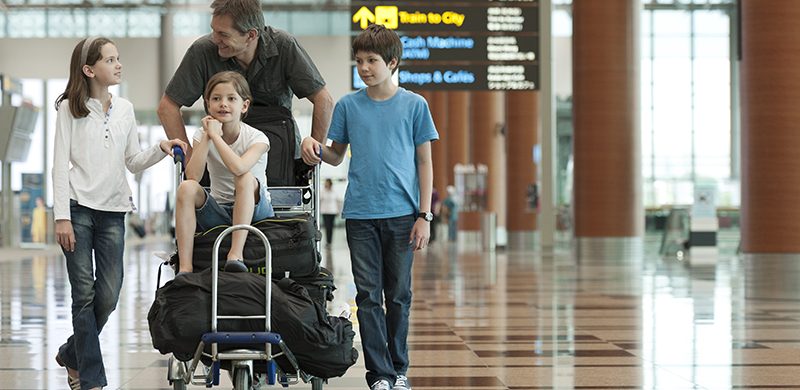
Making the flight comfortable for children
In addition to general rules for traveling with children, individual airlines may offer their own family services and benefits. These can include children’s meals, entertainment kits, priority boarding, bassinets, family seating options, and assistance at airports. Available services vary by airline, aircraft, route, and travel class.
Some airlines provide young passengers with small gifts, coloring books, puzzles, games, or activity packs on selected flights. On aircraft equipped with modern entertainment systems, children may also have access to cartoons, family films, music, and games.
Families traveling with infants may also find baby-changing facilities, family rooms, and children’s play areas at major airports. Facilities vary considerably between airports and terminals, so it is worth checking what is available before traveling.
If you are connecting through a major international airport, check whether the terminal provides children’s play areas or family facilities. These can make a long connection much more comfortable, particularly when traveling with infants or young children.