Turkey, a country located at the crossroads of Europe and Asia, is one of the world’s most popular travel destinations. Its unique geographical location has given Turkey an extraordinary variety of landscapes, from snow-capped mountains and sandy beaches to lush forests and the otherworldly scenery of Cappadocia. The country attracts travelers not only with its natural beauty but also with its rich history, culture, traditions, and, of course, hospitality.
GEOGRAPHICAL LOCATION OF TURKEY
Turkey lies at the crossroads of two continents, making it a meeting point of civilizations, cultures, and religions. This geographical position has given the country strategic importance for centuries. From the Byzantine to the Ottoman Empire, different civilizations have left behind an enormous cultural and architectural heritage, including sites that are now recognized as UNESCO World Heritage Sites.
TURKEY’S HISTORICAL HERITAGE
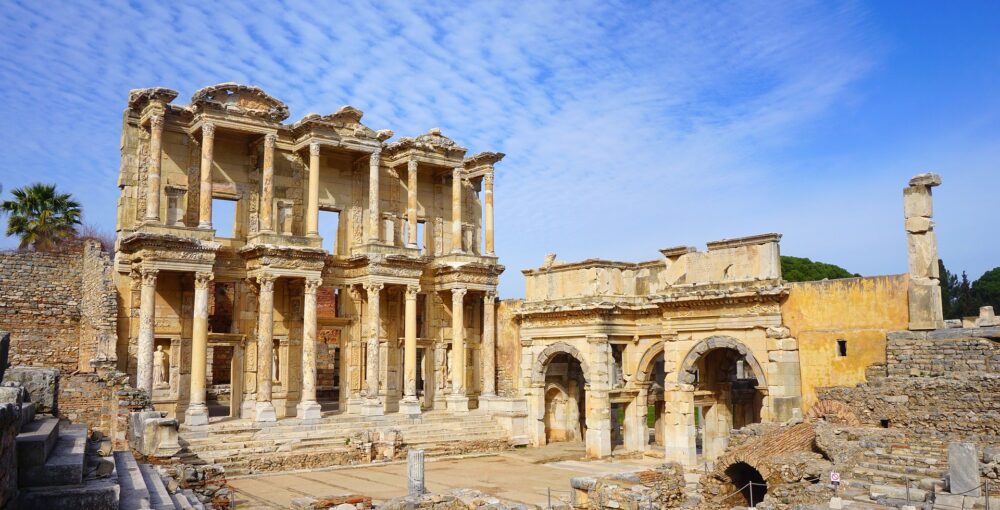
Turkey has one of the richest histories in the world, reflected in its numerous archaeological sites, palaces, mosques, and museums. Istanbul, the former capital of the Byzantine and Ottoman Empires and historically known as Constantinople, is home to masterpieces such as Hagia Sophia and Topkapı Palace. Ankara, the modern capital of Turkey, is known for Anıtkabir, the Mausoleum of Atatürk, as well as Ankara Castle.
NATURAL WONDERS OF TURKEY
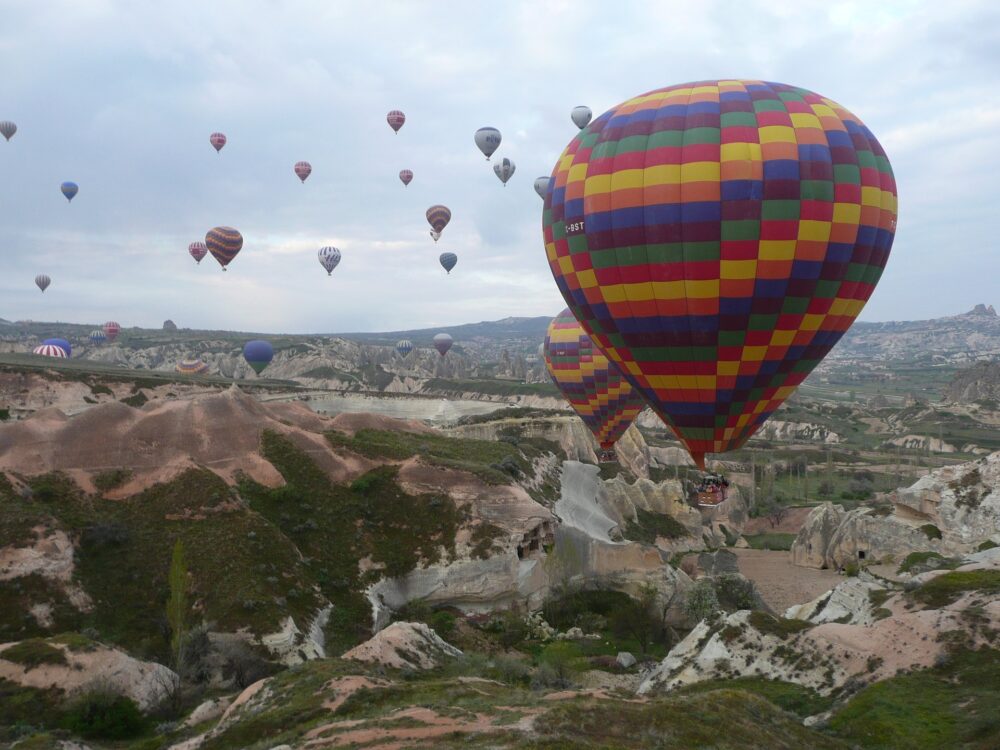
Cappadocia, with its extraordinary rock formations, underground cities, and hot-air balloons floating across the sky at sunrise, is one of Turkey’s most fascinating destinations. Pamukkale, with its white travertine terraces filled with thermal waters, is another unforgettable natural attraction.
CULTURAL DIVERSITY
Turkish cuisine, with its remarkable variety of flavors, reflects the country’s cultural diversity. From sweets such as baklava and Turkish delight to popular dishes such as kebabs and meze, Turkish cuisine has something for every taste. Traditional celebrations such as Ramadan and Eid al-Adha, along with numerous local festivals, showcase the richness of Turkish culture.
BEACH HOLIDAYS IN TURKEY

Turkey is famous for its beautiful beaches, particularly in regions such as Antalya and Bodrum. The beautiful shores of the Mediterranean and Aegean seas, modern hotels, and wide range of water sports make Turkey an excellent destination for a beach vacation.
SIGHTSEEING AND CULTURAL TOURISM
Turkey offers countless sightseeing opportunities that allow visitors to explore its history and culture in greater depth. From the ancient ruins of Ephesus to legendary Troy, discovering Turkey’s archaeological and historical sites can become an essential part of any trip.
ACTIVE HOLIDAYS IN TURKEY
For travelers looking for a more active vacation, Turkey offers plenty of opportunities, including hiking, rafting, diving, and hot-air balloon rides.
MODERN ENTERTAINMENT AND SHOPPING
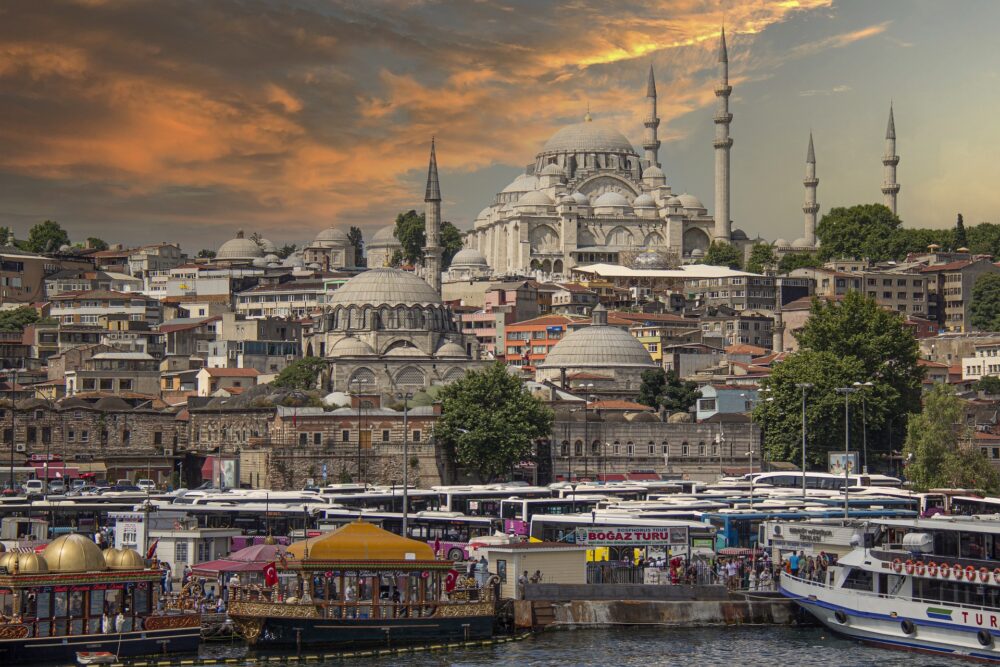
Istanbul and other major Turkish cities offer a wide range of modern entertainment and shopping opportunities, from large shopping malls to bustling local bazaars where visitors can search for unique souvenirs.
TRAVEL TIPS: HOW TO MAKE YOUR TRIP UNFORGETTABLE
Before traveling to Turkey, it is worth learning about local customs and traditions and checking practical information about visas, travel insurance, transportation, and getting around the country.
TURKEY AS A TRAVEL DESTINATION
Turkey is a country that leaves a lasting impression. With its remarkable natural beauty, deep history, and rich culture, it continues to attract millions of visitors from around the world. From ancient cities and spectacular landscapes to Mediterranean beaches and vibrant modern cities, Turkey offers experiences that make travelers want to return again and again.