The magical island of Zanzibar, familiar from the stories about Doctor Aybolit, is not as inaccessible as many of us imagined in childhood. All you need to do is fly to Tanzania, of which Zanzibar is a semi-autonomous region. Zanzibar is perfect for both adventure seekers and those looking for a relaxing beach vacation. Despite being surrounded by the ocean, large waves are rare in many areas thanks to the barrier reefs.
CLIMATE AND LOCATION
Zanzibar is located off the east coast of Tanzania, almost directly opposite the country’s main tourist hub, Dar es Salaam.
The island has a hot tropical climate. Air temperatures remain between +28°C and +36°C throughout the year, while the ocean temperature is around +28°C. However, compared with mainland Tanzania, the heat is less intense thanks to the cooling ocean breeze.
Zanzibar can be visited all year round, but the best time is from June to October, when there is little rain, temperatures are more comfortable, and cool breezes blow in from the ocean. The rainy seasons generally occur from October to November and from April to May.
VISA REQUIREMENTS
To enter Zanzibar, as with mainland Tanzania, you need a visa. Ukrainian and Russian citizens can obtain one upon arrival at the airport rather than applying in advance. A tourist visa costs $50.
TOURIST AREAS
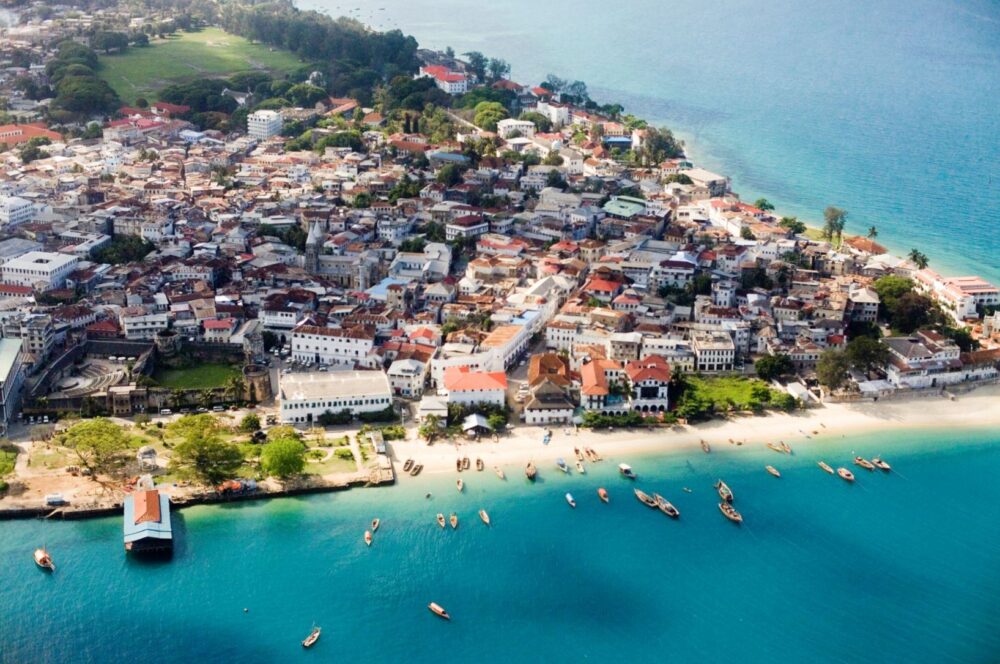
Zanzibar is a relatively small island. It can roughly be divided into the central part, where the national park is located, and the western, eastern, northern, and southern coasts. Zanzibar City, the island’s capital, is usually considered separately, particularly its historic center, Stone Town.
Where you choose to stay will largely depend on the type of vacation you are looking for. If you want to be close to the action and do not mind traveling between 30 minutes and an hour and a half each day to reach beautiful beaches, you can stay in Zanzibar City. However, we would not recommend this if your main reason for visiting the island is its spectacular beaches with turquoise water and almost white coral sand. Zanzibar really does have beaches that look as though they have come straight from a travel brochure, but to experience them, you need to venture farther away from Zanzibar City.
For travelers interested in surfing and other water sports who do not mind larger waves, the southeastern coast is a good choice. The surfing may not be as spectacular as in Australia or other famous surfing destinations, but conditions can still be very enjoyable.
Those seeking privacy and wanting to swim throughout the day can head to the western coast, including Bububu Beach. The tides are less extreme here, making swimming possible for much of the day.
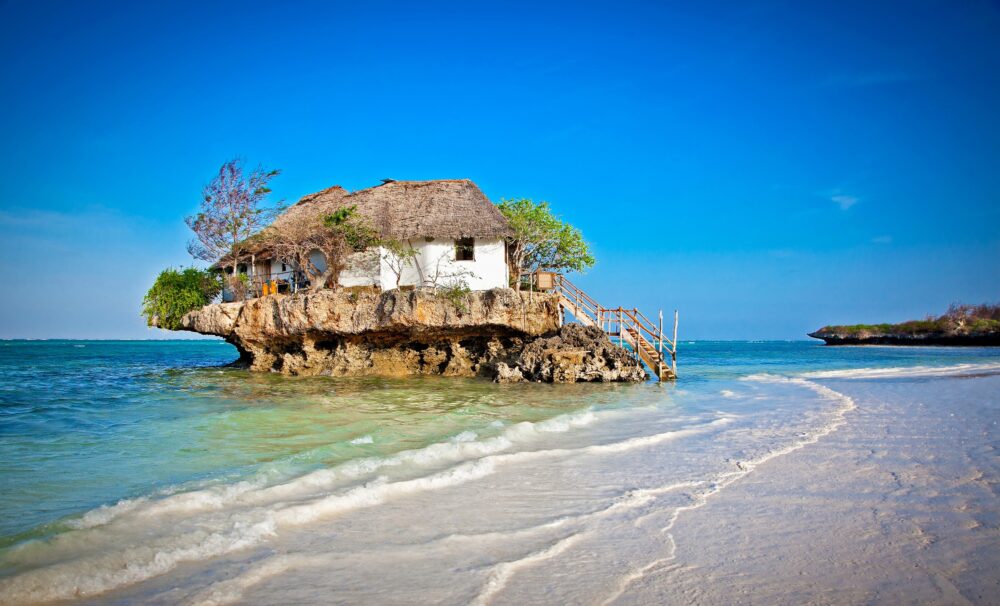
On the northern and eastern coasts, however, the sea can retreat by as much as 2 km at low tide. This means you may have to walk quite a distance to reach the water. Tide schedules can be checked in advance, though, and the northern, eastern, and western parts of the island are home to the seemingly endless beaches and astonishing turquoise waters Zanzibar is famous for.
The northern and eastern coasts also have the largest concentration of cafés and hotels, so there is plenty to do. The western coast is better suited to travelers looking for a more secluded vacation.
We also highly recommend visiting the nearby islands. Zanzibar is actually the largest and best-known island of the Zanzibar Archipelago, and many of the smaller islands have something unique to offer visitors.
ATTRACTIONS IN ZANZIBAR
Freddie Mercury’s House. Did you know that the legendary singer Freddie Mercury was born in Zanzibar and spent the early years of his life here? The building associated with his childhood can still be seen today. It has since become a tourist attraction connected with the singer’s history, allowing visitors to discover another side of the Queen frontman’s story.
The Slave Cave is located near the coast. During the era of the slave trade, captives were held in caves before being transported elsewhere. Today, visiting such sites offers a sobering glimpse into this dark period of Zanzibar’s history.
The former slave market in Stone Town is another reminder of the island’s history of slavery. A memorial now stands at the site, and visitors can also see the underground chambers where enslaved people were once held.
Jozani National Park occupies part of the central area of the island. It is best known for its monkeys and other wildlife. Visitors are particularly likely to encounter Zanzibar red colobus monkeys, one of the island’s most distinctive species.
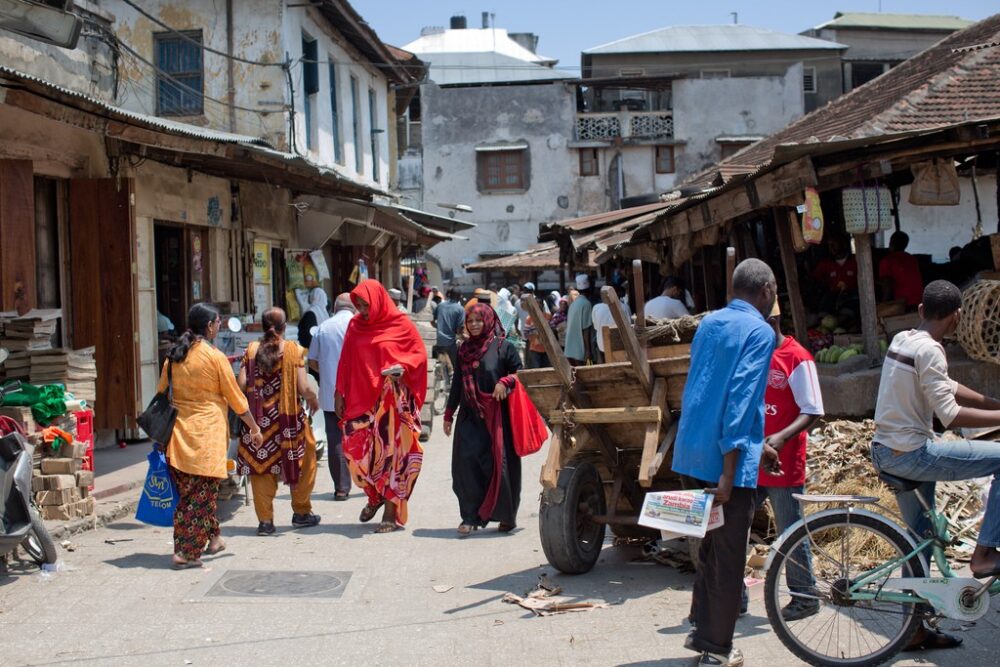
The market in Zanzibar City can be a real culture shock, but it is certainly worth experiencing. You may encounter an extraordinary variety of exotic products, from tropical fruit to seafood. It is a fascinating place to observe everyday local life and explore the sights, smells, and flavors of Zanzibar.
Zanzibar’s famous carved doors are an essential part of discovering the island. You will see them throughout Stone Town. Traditionally, an elaborate entrance door was an important symbol of the status and prosperity of its owner. Built to last for generations, these doors can be extremely ornate and feature symbols that reveal details about the families who once lived behind them.
Prison Island lies off the western coast of Zanzibar. Its name reflects its historical connection with a prison complex, although it was also used as a quarantine station. Today, one of the island’s main attractions is its population of giant tortoises. Visitors can see these impressive animals up close while exploring the island.
THINGS TO DO IN ZANZIBAR
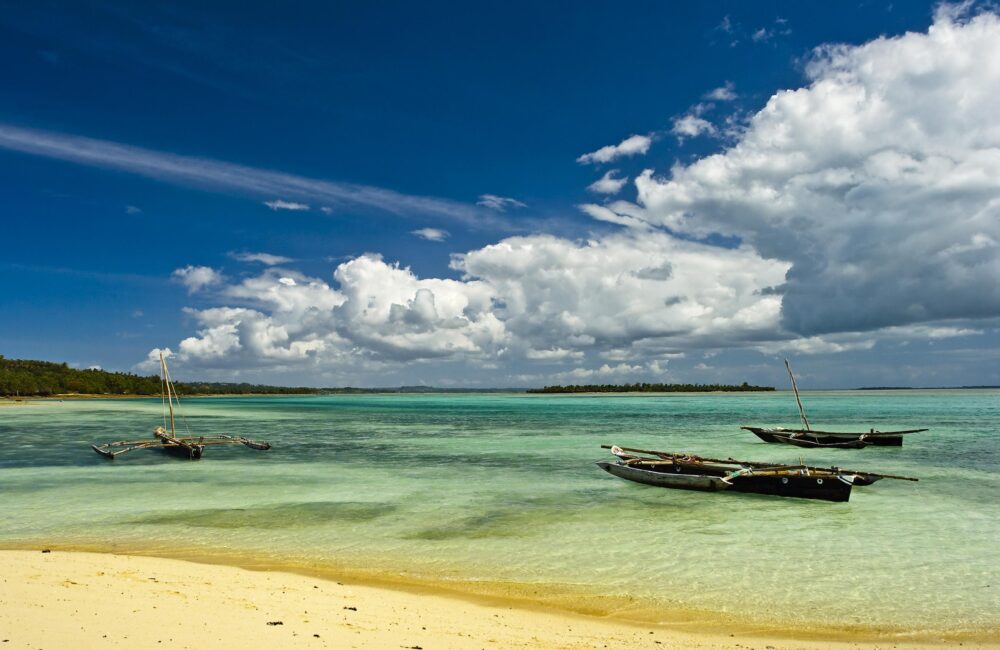
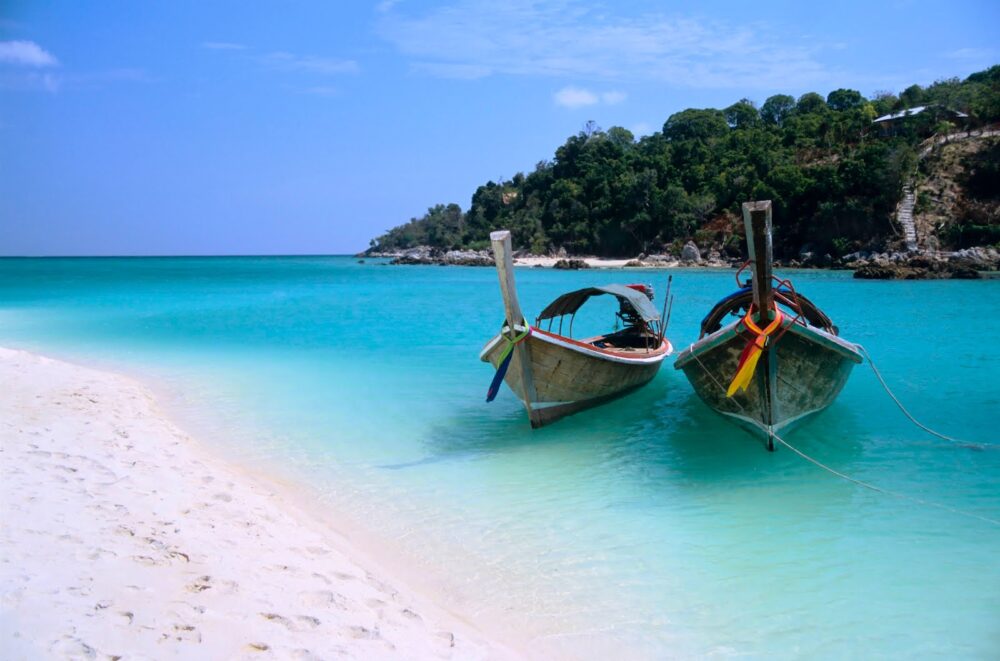
Boat trips are among the most popular activities in Zanzibar. They offer a chance to experience the atmosphere of traditional fishing villages and sail between the islands of the archipelago in boats similar to those used by local fishermen. These range from modern boats to traditional narrow wooden vessels that are still widely used today.
You can also visit the island’s many cafés and restaurants, which serve both local and European cuisine.
A trip along Zanzibar’s coastline is another worthwhile experience, as it allows you to see just how different the island’s beaches can be from one another.
Driving through villages and along Zanzibar’s main roads can also be memorable. It provides a glimpse into everyday local life beyond the island’s resorts.
Snorkeling is another popular activity. Although Zanzibar’s underwater scenery is sometimes considered less spectacular than that of Egypt or the Maldives, it can still be an excellent introduction to snorkeling.
Underwater, you can also explore shipwrecks that have become artificial reefs and habitats for moray eels, lionfish, and other marine life.
ZANZIBAR CUISINE
Despite exotic stories about Tanzanian cuisine, the most common dishes served in cafés are actually fish, chicken, and potatoes. European dishes are also widely available.
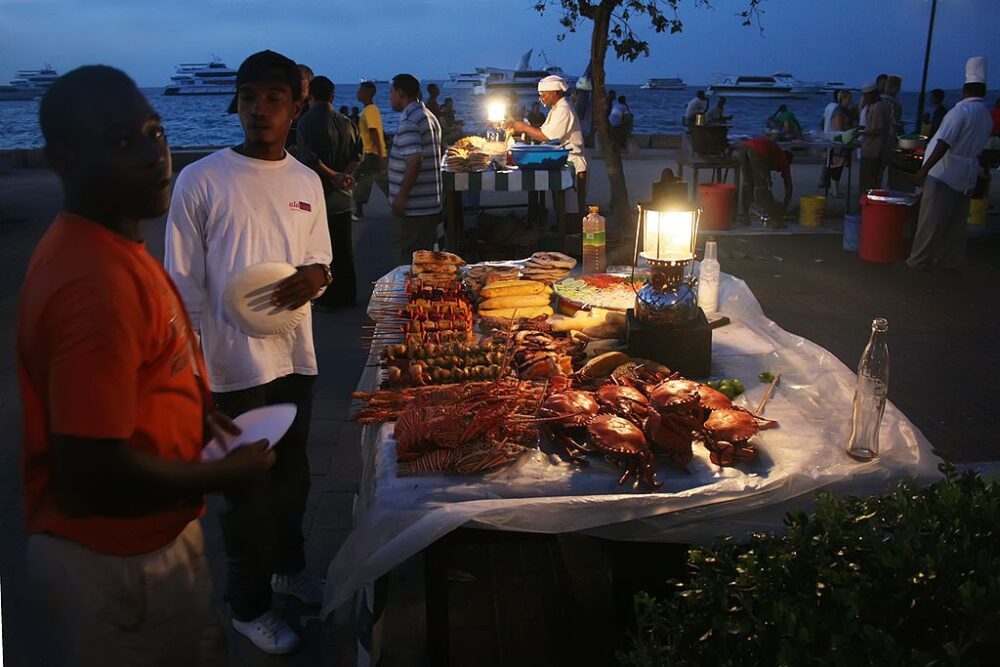
Among the local specialties worth trying are various fried seafood dishes, prepared with the fresh fish and shellfish available around the island.
While in Zanzibar, be sure to enjoy the abundance of tropical fruit as well. Many different varieties can be found almost everywhere on the island and are often very affordable.
LOCAL CULTURE AND ETIQUETTE
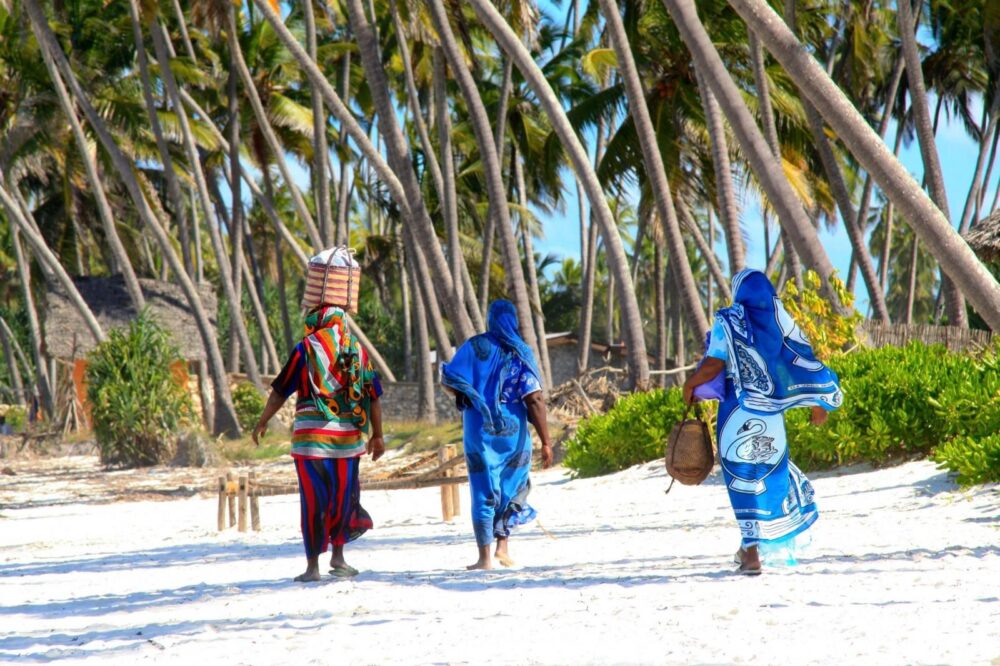
Zanzibar has a predominantly Muslim population, although tourist areas are generally accustomed to international visitors. When traveling outside resorts and beaches, dressing respectfully and being mindful of local customs is advisable.
Local people will appreciate it if you learn even a few words of Swahili. Some useful phrases include “jambo” (hello), “asante sana” (thank you very much), and “karibu sana” (you are very welcome). You will also often hear the famous phrase “hakuna matata,” meaning “no worries” or “no problem.”
Bargaining is common in markets and many small shops, although prices in supermarkets and other fixed-price stores are generally not negotiable.
SAFETY IN ZANZIBAR
Snakes are among the potentially dangerous animals found on the island. However, they generally avoid people and tend to remain in areas of dense vegetation away from the main tourist routes.
There is also a risk of mosquito-borne diseases, including malaria. Travelers should take appropriate precautions against mosquito bites and check current health recommendations before their trip.
Tsetse flies, which occur in some parts of Africa, are not generally considered a concern for travelers in Zanzibar.
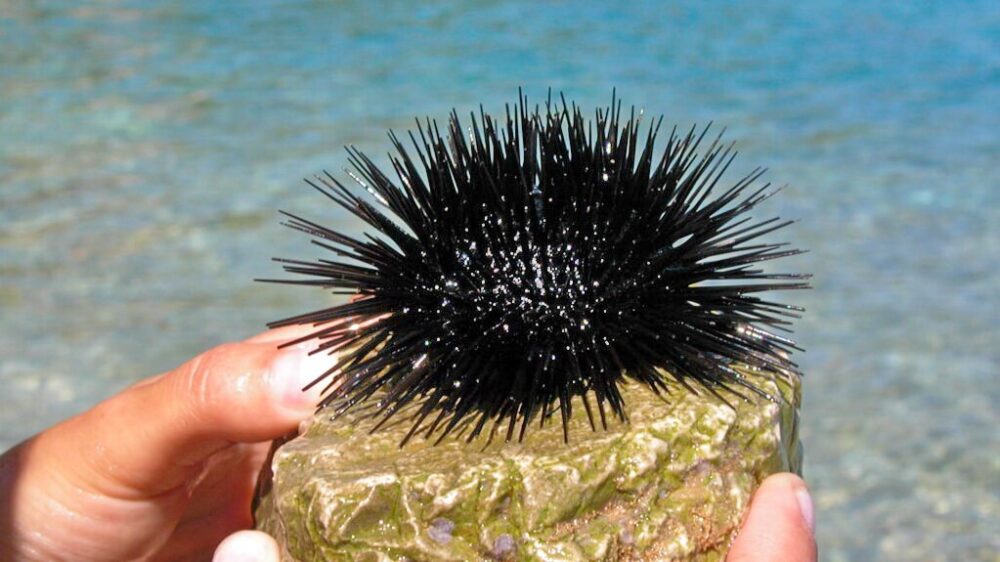
When swimming, consider wearing water shoes, as sea urchins can be found along parts of Zanzibar’s coastline. Sharp coral fragments and shells may also occur in shallow water and on beaches.
At low tide, pay attention not only to the sea in front of you but also to the changing water levels behind you. The tide does not always return evenly, and channels of water can form as the sea comes back in. If you walk far out during low tide, make sure you leave enough time to return safely before the water rises.