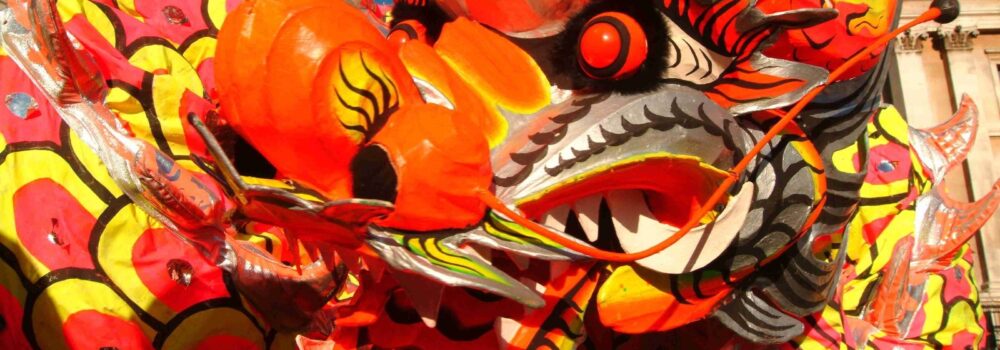
Chinese New Year is celebrated for 15 days, and this year the celebrations begin on January 28.
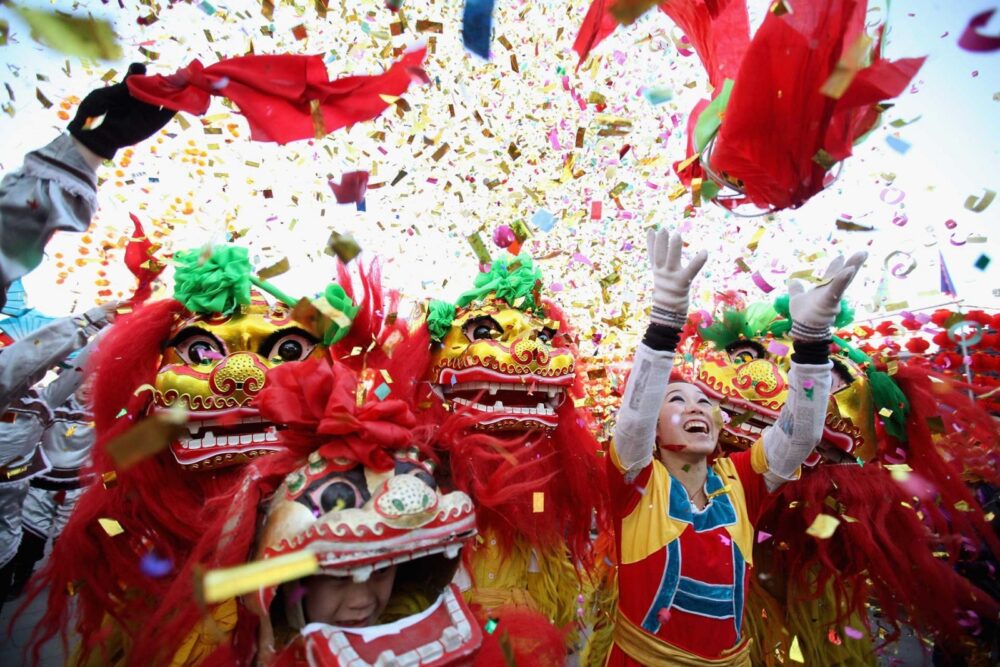
Day 1
The first day of Chinese New Year begins with a festive dinner, loud fireworks, and lively celebrations. The whole family traditionally burns bamboo sticks, and it is believed that the louder the celebration, the happier and more joyful the coming year will be. The table should be filled with plenty of dishes, especially meat dishes, including pork, cured meat, and Chinese sausage, as well as fish. After dinner, everyone usually goes to visit friends and relatives. On this day, people also visit the graves of their relatives to honor their memory.
Day 2
The second day of Chinese New Year begins with prayer. Family members ask for health and happiness for their loved ones, older people pray for longevity, while businesspeople and entrepreneurs ask for prosperity and wealth. Afterwards, everyone visits their parents and grandparents. Children are given red envelopes containing money.
For poor people, the second day of the celebration is considered particularly fortunate, as they can visit others and ask for food and alms. Chinese people usually try to help in whatever way they can.
Days 3–4
During these two days, Chinese people try to pay their respects to all their friends and relatives and visit them to offer New Year greetings. They believe these days should be spent with loved ones so that they will remain together throughout the coming year. From this period onward, large corporations resume operations and everything gradually returns to its usual routine.
Days 5–6
These days are dedicated to wealth and business, so the remaining companies also begin working. But people do not simply return to work — they make sure to set off fireworks. The morning of every Chinese person begins with a special dish called jiaozi, which resembles dumplings.
Day 7
Like the second day of the celebration, the seventh traditionally begins with prayer and worship of God. It is believed that humans were created on this day. To increase their income and help their businesses prosper, Chinese people prepare a special raw fish salad called Yusheng.
Days 8–10
By this time, all Chinese people have returned to work. In the evenings, they hold small family dinners, always accompanied by prayer, after which they go to a temple to light special incense candles. For dinner, every housewife prepares yuanxiao, which resemble small balls.
Day 11
In China, this is the day of the son-in-law, when a father-in-law traditionally organizes a lavish and lively celebration for his daughter’s husband. Every father tries to show him respect and arrange the best possible celebration for him.
Days 12–14
There are generally no celebrations during this period, as everyone is busy preparing for the main event — the Lantern Festival. People buy decorations, lanterns, lantern canopies, and other festive items.
During all three days, Chinese people eat only healthy food and avoid meat in order to cleanse their bodies of toxins. Even during these busy days, they try to find a moment to pray for prosperity, well-being, and wealth.
Day 15
On this day, cities usually host concerts and theatrical performances. People carrying illuminated lanterns walk through the squares with their families, while fireworks, firecrackers, and other pyrotechnics explode all around them.
Jiaozi and sticky sweet rice are usually served at the table, and these dishes can also be bought in the squares.
In Singapore and Malaysia, there is an interesting and romantic tradition associated with this celebration. Single women attach their phone numbers to mandarins and then send the fruit floating down the river. Single men, in turn, catch the mandarins, eat them, and then call the women to get acquainted.