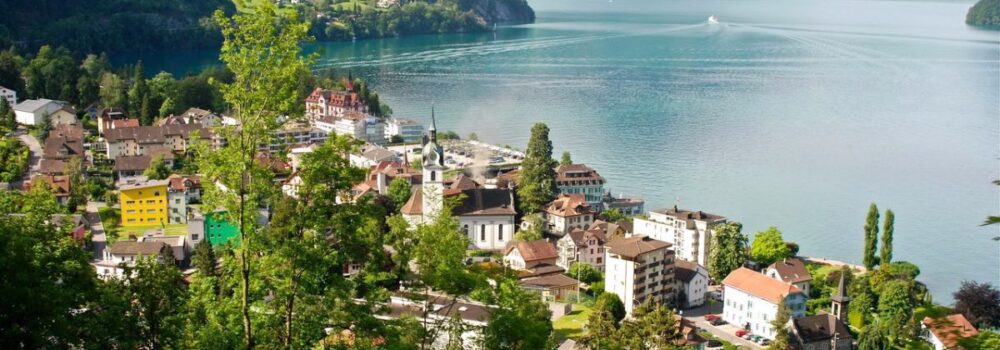
Switzerland means the Alps, gold, reliable watches, and chocolate. It means Geneva, Bern, and Zurich. But beyond the major cities, there are many attractive places that reveal the diversity of the country’s culture and nature. Visiting each of them will add color to your journey.
Niesen mountain
Niesen is a symbol of the canton of Bern. According to local legends, a real dragon once lived here — as any respectable mountain should have. Today, the mountain is home to the world’s longest staircase, with 11,674 steps. Those who conquer it can reach the summit and admire the picturesque surroundings.
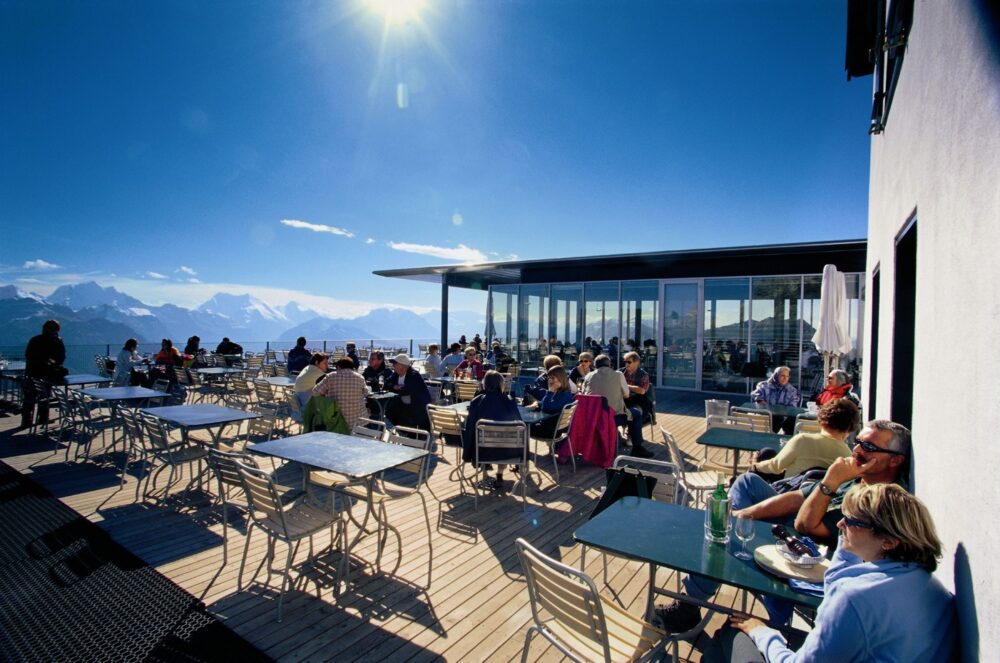
If the weather — or laziness — gets in the way, the journey can be made by funicular instead, followed by a taste of Alpine delicacies at the restaurant on the summit. The owners even offer a complete package combining the funicular ride with dinner at the observation deck.
Interestingly, the mountain’s name comes from the name of a plant, Yesen or Enzian — yellow gentian. This flower is believed to have medicinal properties: it stimulates the appetite and relieves stomach pain. So trying fondue at the top of such a “healing” mountain seems particularly symbolic.
Great St Bernard Pass
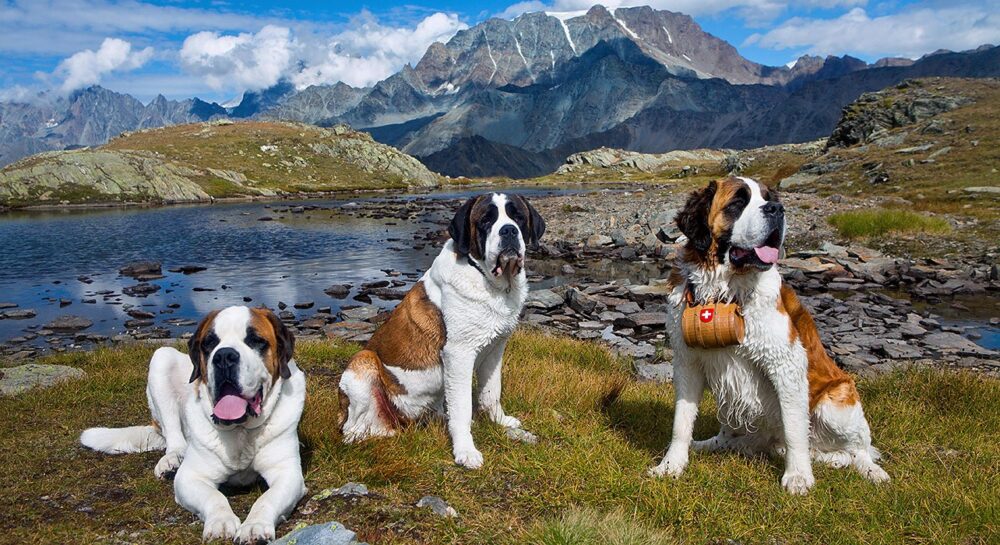
The Great St Bernard Pass, 5 km northwest of the town of Martigny in the canton of Valais, was for a long time the only “bridge” between Western and Eastern Europe. Both the pass and the breed of dog were named in memory of Saint Bernard of Aosta.
Bernard of Menthon was the son of a wealthy baron from Savoy, but after studying in Paris he did not return home. Instead, he became a canon in Aosta and later set out to preach Christianity in mountain villages.
Determined to protect the Mont-Joux Pass from the Saracens, he built a small monastery there. For almost 1,000 years, monks at this site have provided shelter and food to travelers. St Bernards also help the monks rescue those who have lost their way. The breed was brought here by Roman legionaries during their campaigns — remains of a road built by the Romans can still be seen near the monastery. The ancestors of modern St Bernards were Pyrenean dogs. Today, around 20 animals live at the monastery.
Locarno
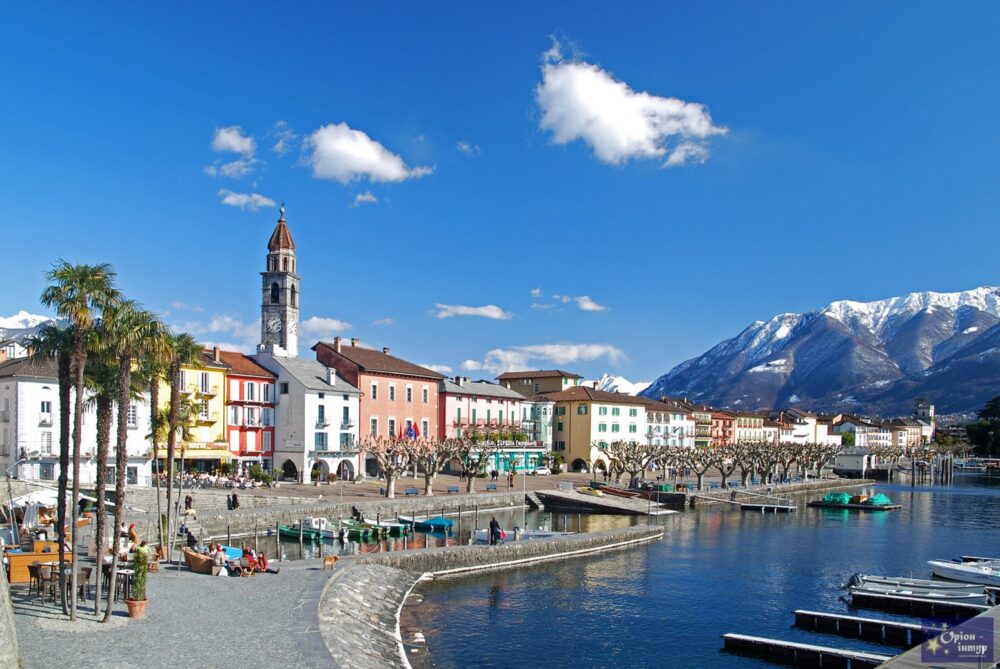
The town of Locarno has every reason to be proud of its surroundings. First, nearby is a medieval Roman bridge whose image appears on postcards from Switzerland. Second, the country’s most scenic railway route, the Centovalli Railway, passes through Locarno.
If you want to enjoy breathtaking views, climb into the mountains toward the sun, plunge into tunnels, and cross arched bridges above rushing rivers, this is the route to choose. And be sure to sit on the left side of the carriage.
St. Gallen
St. Gallen, with its old town, is one of the most typical Alpine towns and is also a major player in the world of fashion: local workshops regularly work on orders from famous designers. Lacoste products, for example, are made here.
The town has many elegant houses with unusual names such as “Pelican,” “Swan,” “Camel,” “Ball,” and “Fortress.” One of the town’s attractions is the Confiserie Roggwiler confectionery.
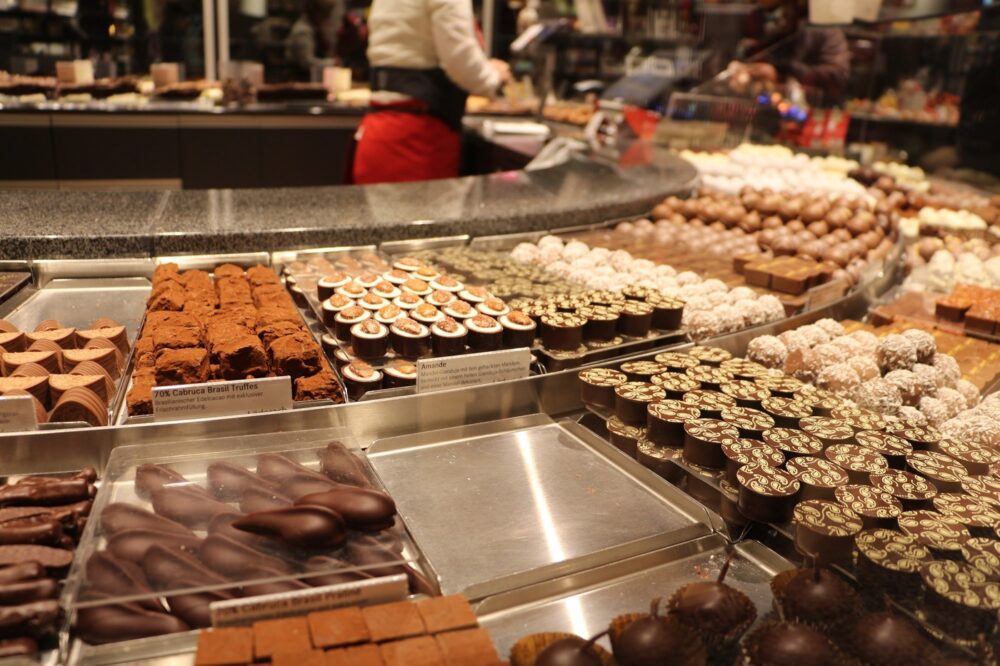
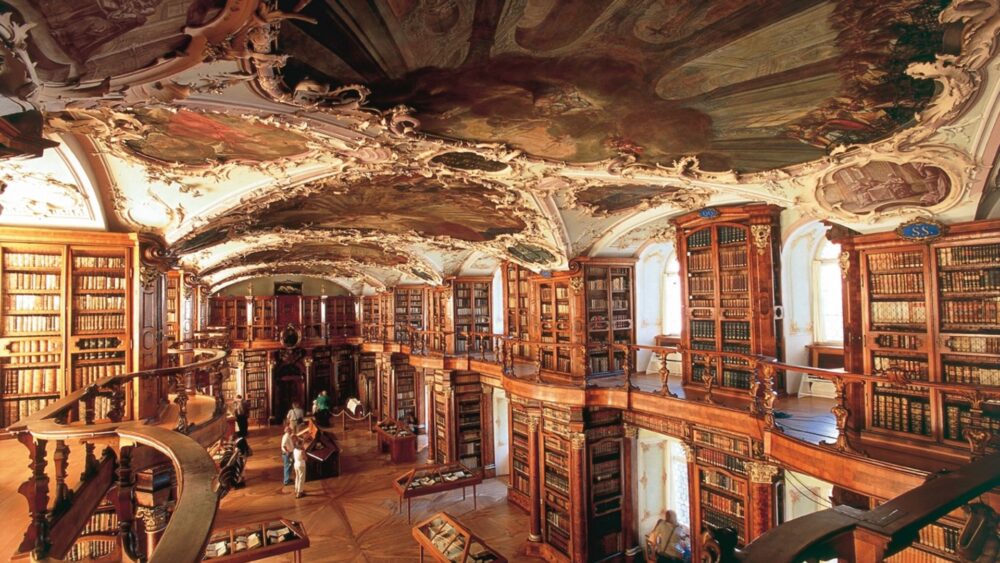
Here you can buy gingerbread decorated with images of the local monastery and lapidary library. Gingerbread has been made in St. Gallen since the 15th century and covered with sugar icing since the 16th century.
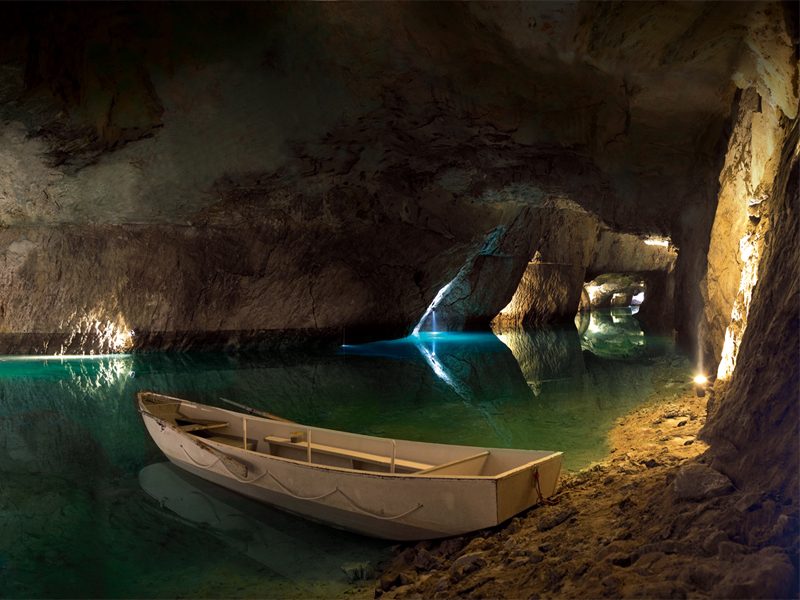
On the road between the towns of Sion and Sierre lies Europe’s largest underground lake, Souterrain. It is around 260 meters long and 15 meters deep. Speleologists discovered the cave with the lake relatively recently, in 1943, but it has already become surrounded by legends.
One story tells of a local young man who brought gold coins out of the cave, into which leaves caught by a magical wind had supposedly transformed. It is also believed that an unmarried girl can see her future husband reflected in the lake if she enters the cave at night before Christmas. The temperature inside the cave does not rise above 15°C even in summer, so be sure to dress warmly when visiting.
In the town of Einsiedeln stands a legendary Benedictine monastery founded by Saint Meinrad. The holy hermit lived here in prayer and service to God, but one unfortunate day robbers entered his cell and killed him. The criminals were caught thanks to two ravens that the monk had once saved from predators. The birds followed the robbers into the valley, where their loud cawing attracted people’s attention. Ravens are now depicted on the town’s coat of arms.
At the site of Saint Meinrad’s death, the Klosterkirche church was built within the monastery, and a remarkable legend is associated with it. Bishop Conrad of Constance arrived to consecrate the church, but on the eve of the ceremony he had a vision: the consecration had already been performed by the Savior himself, surrounded by saints, apostles, and angels.
The main attraction of the church, however, is the statue of the Black Madonna, one of the shrines of the Christian world, created by an unknown master in the 15th century. It is believed that the statue acquired its unusual color from the soot of candles and oil lamps. At one point, an attempt was made to restore its face to its original color, but the many pilgrims who expected to see it black were so disappointed that the artist restored its previous appearance.
The statue is believed to be miraculous: opposite the chapel where it stands, visitors can find testimonies of miracles left by grateful believers.